Tuesday, July 22, 2014

REPOST: Taking Your Life Back From Chronic Pain

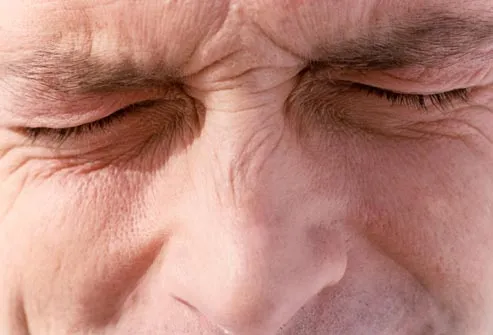
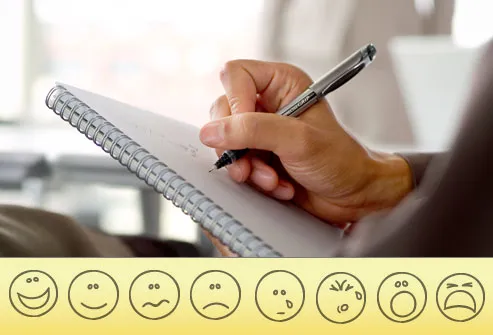
Millions of Americans suffer from chronic pain. While there is still no “magic pill” for the illness, there are ways to manage it. This article from US News Health features some of the people who have learned to cope with chronic pain.

Image Source: health.usnews.com 

Imagine gritting it out with sharp, throbbing pain from a migraine or back injury for just a few hours. Or doing your best to concentrate at work through the ache of an abscessed tooth.

Now, imagine coping with similar pain for years – and though it goes away at times, it's never for long. Sadly, that's the reality for millions of Americans. Chronic pain can take over a person’s life, but it doesn't have to. Still, there's no magic pill. Learning to manage pain is a process you go through and a decision you make.

Pain’s Wide Reach

Pain is invisible – others can't see it or touch it. There isn’t a blood test that measures pain, or an X-ray that confirms its existence. It can be hard for people to get their pain taken seriously. But pain is a big problem. About 100 million U.S. adults are affected by chronic pain, and it costs up to $635 billion yearly in medical care and lost productivity, according to a 2011 Institute of Medicine report.
Backaches and headaches (especially migraines) are the most common pain culprits, but there are many others. Arthritis, injuries, pain from cancer or heart disease, genetic conditions like sickle cell disease, and surgical complications like severed nerves – any of these can result in pain that becomes a continual presence.


Here to Stay

For Penney Cowan, founder of the American Chronic Pain Association, the journey with pain began nearly 40 years ago. Fibromyalgia was the reason, but it took six years for doctors to properly diagnose it. Even today, the cause of fibromylagia is still unclear, but common symptoms include widespread muscle pain, fatigue and sleep problems. In Cowan's case, pain affected nearly her entire body and worsened to the point that her quality of life was "down the tubes," she says. "I couldn't even hold a cup of coffee; it was too painful." It became so bad, she says, that it consumed every waking thought and moment.

When does pain cross the line from temporary setback to lifelong condition? "If the pain's been around for five years, the chances of having zero pain are probably pretty small," says Robin Hamill-Ruth, an anesthesiologist, pain management specialist and president of the American Board of Pain Medicine. At that point, she says, pain management becomes the goal: "How do you get the pain to a level that it doesn't control [patients'] lives – they control it?"


Facing Loss

Mariann Farrell, ​67, was a music educator in Philadelphia until two car collisions ended her career years ago. “Horrible” sciatica – pain from the sciatic nerve that travels from the lower back and down the legs – kept her bedridden for a year and a half, leaving her husband to cope with two kids, the household and everything else. “I got very depressed, helpless and hopeless,” she recalls.

At first, Farrell’s strategy was one that many patients fall into – doing less and less in an effort to avoid anything that might trigger pain. “I thought, if I can lie in bed and be very quiet and still, the pain would go away,” she says. But it only got worse. She says the impetus for getting out of bed came as she was crying alone while the rest of her family attended her son’s chorus recital. “I asked myself what I was doing,” she says. Farrell decided she might as well be watching her son in pain, rather than being bedridden in pain.

Chronic pain "is a loss of function; it's a loss of self," Hamill-Ruth says. Unlike acute pain, where the predominant emotion is anxiety, for people with chronic pain, it's depression. "When people have lost function – they may have had a back operation – there are just things they can't do," she says. The resulting grief, she says, is no less than it would be for the loss of a limb. People like Farrell, who could no longer teach the music she loves, or a manual laborer who's the family breadwinner but can no longer do physical work, have to find ways to "redefine" themselves, Hamill-Ruth says. "Once a person identifies how they can be a person who lives with chronic pain, and still have a quality of life and still be a person, they tend to do much better."

No Easy Fixes

When pain begins, sufferers first try over-the-counter painkillers such as Tylenol and Advil, or simple home remedies. If those don’t help much, they may ask their physician for stronger prescription drugs to treat pain. These include opioid (narcotic) painkillers such as Vicodin or Oxycontin, certain types of antidepressant or anti-seizure medications, and corticosteroid injections. But people who expect chronic pain to disappear after swallowing a pill or putting on a patch are usually disappointed. "Pain medicine doesn't take away the pain," Farrell says of her own experience. "It mitigates it."

With growing scrutiny as issues of opioid addiction, overdose and improper prescribing emerge, doctors are more reluctant to start patients on​ these painkillers. That may not be a bad thing, according to Hamill-Ruth. "Opiates aren’t very good, for all the noise they get," she says. "They don’t work that well for a long period of time; they're better for acute [than chronic] pain, but there are enough side effects and problems" to limit their usefulness.

Some patients go through increasingly invasive procedures to control pain. These could be nerve-block numbing injections or implanted devices to deliver anesthetics straight to the spine. And some people resort to surgery, such as spinal decompression or disc replacement for intractable back pain.

But when chronic pain withstands medical procedures and prescriptions, health providers may eventually say, "Just learn to live with it," Cowan says. In response, she adds, the American Chronic Pain Association’s​ new catchphrase is​ "Don't tell me to live with it. Teach me how to do it.”

If relief from a pill or procedure is often only partial – pain drops from a 10 to a 7 – people usually give up and move on to the next pill or procedure. But that’s not always the answer, Cowan says. Pain management involves finding a combination of methods that works for you. Medication-free options include physical reconditioning – physical therapy, stretching exercises and weight lifting – to mind-based treatments, such as cognitive behavioral therapy, biofeedback and hypnosis, and stress management techniques like meditation. The most effective techniques vary for each individual. With Farrell, for instance, music therapy is a must. For Cowan, it’s her morning stretching routine.

Weight loss is the most valuable modification for many chronic pain patients, according to Hamill-Ruth, because it relieves the burden of additional weight on the joints. Movement is essential for all patients, she says. "Staying active is just critical. If you don't [move your body] it gets weak, and it's a downward spiral of deconditioning, being more vulnerable to injury." It helps to set achievable goals for yourself, she adds, even if it's walking three minutes a day and next week bumping it up to four minutes.

Seeking Specialists

Decades ago, the Cleveland Clinic rheumatologist who confirmed Cowan’s fibromyalgia told her she’d have to live with the pain. But he also referred her, with some skepticism, to an in-house pain specialist who could teach her how to live with it. Equally skeptical, she entered the program and with seven weeks of comprehensive pain management, she says, “I went from patient to person again.”

Thirty-five years later, pain management is an established medical subspecialty. But with only about 3,500 U.S. physicians board-certified in pain care, that means there are 28,000 people with chronic pain per specialist, according to the IOM. So primary care providers deliver the bulk of treatment for chronic pain. When it comes to finding a pain practitioner, some are more qualified than others, Ruth-Hamill says. "You can look up a pain doctor in the phone book and can't tell whether they did a two-year pain fellowship or a weekend course." Her group is pushing for stricter credentialing that requires a background in comprehensive pain management that includes familiarity with psychiatric and complementary medicine.

Sharing Your Pain (Management)

Isolation is a hazard of chronic pain, Farrell says, making depression worse, and it's crucial to interact with others in a similar situation. She recalls the moment she became aware that others shared her struggle, while attending her first support group meeting. "Having them understand me and my life, and I theirs, was of great emotional benefit," she says. She didn't have to explain her pain; they understood. She now facilitates a support group whose members listen daily to a music CD she put together.

When it comes to pain management, the focus is increasingly shifting toward the role of patients – with an emphasis on self-management and becoming an active part of the health care team. To further that team mentality, Cowan is currently traveling to Veterans Affairs​ hospitals and talking to patients and health providers about how to live with chronic pain and bridge the gap between the health care provider and the person with pain. For her part, Hamill-Ruth says pain management is a team sport, and patients are the key players. She describes a patient who did really well with self-management after turning her attitude around. "She said, 'I finally figured out that this is my pain,'" Hamill-Ruth recalls, "'and I'm going to have to own it if I want to get better.'"

Dr. Melanie Novak, M.D., specializes in the diagnosis and treatment of all types of pain and provides an individualized treatment plan for her patients’ unique needs. For more discussions on chronic pain management, follow this Facebook page.

Tuesday, April 15, 2014

REPOST: Chinese Herb Proves Effective in RA

A new study finds that a Chinese herbal remedy consisting of extracts of Tripterygium wilfordii Hook F (TwHF), also known as the thunder god vine, may be efficacious in the short-term treatment of rheumatoid arthritis. The open-label randomized trial is discussed in the article below. 


Image Source: medpagetoday.com
 
A plant extract used in traditional Chinese medicine was as effective as methotrexate for the short-term treatment of rheumatoid arthritis and was superior when the two agents were given in combination, an open-label randomized trial showed.

At 6 months, 46.4% of patients receiving methotrexate had improved by at least 50% on the American College of Rheumatology (ACR50) criteria, as had 55.1% of those receiving extracts Tripterygium wilfordii Hook F (TwHF) and 76.8% of those given both, according to Xuan Zhang, MD, of the Chinese Academy of Medical Sciences in Beijing, and colleagues.

The differences between the two monotherapy regimens using a noninferiority test was significant (P=0.014), as was the difference between the combination and methotrexate monotherapy groups((P<0.001), the researchers reported online in Annals of the Rheumatic Diseases
 
The study "showed that TwHF monotherapy was not inferior to, and combination therapy of methotrexate and TwHF was better than, methotrexate monotherapy in controlling disease activity in patients with active RA," Zhang and colleagues stated.

"The findings are definitely of interest, as there was a clear treatment effect. This is a compound of interest for further study and development," commented Eric L. Matteson, MD, chief of rheumatology at the Mayo Clinic in Rochester, Minn., who wasn't involved in the study.

The Plant and Its Effects
 
T. wilfordii, known in the West as thunder god vine, has long been utilized in China for its effects on joint pain, local inflammation, swelling, and fever, and is approved for the treatment of rheumatoid arthritis.

The plant contains many active compounds, with diterpenoids being of primary interest.
"Many of the anti-inflammatory and immunoregulatory activities of extracts of TwHF relate to the ability of the major diterpenoids to suppress the transcription of cytokines and other proinflammatory genes," Zhang and colleagues explained.

In a previous report published in Annals of Internal Medicine, researchers led by Raphaela Goldbach-Mansky, MD, of the NIH noted that TwHF also can inhibit cyclooxygenase-2, "which may result in the reduced production of prostaglandin E2 at inflammatory sites and therefore have a direct analgesic effect."

The extract is prepared from the peeled root of the plant, using various extraction methods. "Other parts of the plant -- including the leaves, flowers, and skin of the root -- are highly poisonous and can cause death," cautions the National Center for Complementary and Alternative Medicine on its website.

The extract used in the Chinese randomized trial was pharmaceutical grade, standardized to 1.2 mcg/10 mg of the immunosuppressive and anti-inflammatory diterpenoid triptolide and 36.6 mcg/10 mg of the anti-inflammatory triterpene wilforlide.

Earlier Studies
 
Uncontrolled trials in China reported in the 1980s alleged that more than 400 patients with rheumatoid arthritis had been treated with TwHF, with response rates up to 95% and side effects ranging from 4% to 35%.

To evaluate these claims, a group of researchers led by Peter E. Lipsky, MD, of the Autoimmunity Branch of the NIH conducted a phase I study using an ethanol/ethyl acetate extract at Parkland Memorial Hospital in Dallas.

They enrolled 35 patients, randomizing them to placebo or 180 or 360 mg TwHF per day. By 5 months, 80% and 40% of the high- and low-dose groups, respectively, had achieved an ACR20 response, compared with none of the patients given placebo. Physical functioning and inflammation also improved, Lipsky's group reported in Arthritis & Rheumatism.

Diarrhea was the most common adverse event, followed by nausea and alopecia.
Subsequently, Goldbach-Mansky's group enrolled 121 patients with active disease, randomly assigning them to receive TwHF extract , 60 mg three times per day or sulfasalazine, 1 g twice per day.

After 6 months, 68% of those receiving TwHF and who completed the study had an ACR20 response, compared with 36% of those given sulfasalazine.

ACR50 and ACR70 responses were seen in 54% and 38% of the TwHF patients compared with only 4% for both responses in the sulfasalazine group. More patients in the sulfasalazine group experienced moderate or severe adverse events.

The Randomized Chinese Study
 
At the Peking Union Medical College Hospital, a referral center where 30,000 patients are treated each year for rheumatoid arthritis, two-thirds receive TwHF, which costs about $10 per month. Most patients take it in combination with methotrexate.

"Importantly, in 'real-world' clinical practice, we have observed the considerable effectiveness of the [methotrexate plus] TwHF combination, but this efficacy has not been studied in randomized controlled trials," the researchers noted.

To address this gap, they enrolled 207 patients with active disease, randomizing them to receive 20 mg TwHF pills three times per day, methotrexate in doses beginning with 7.5 mg per week and increasing over a month to 12.5 mg per week, or both.

No placebo tablets were available, but assessments done at weeks 4, 12, and 24 were done by clinicians who were unaware of the assigned treatments.

Patients' mean age was 51, most were women, and mean disease duration was 5.5 years.
On other efficacy measures, noninferiority also was seen for TwHF at 6 months, including the stringent ACR70 response, which was achieved by 30.4% of the TwHF group and 23.2% of the methotrexate group.

And the combination was superior to methotrexate alone on several measures, with higher response rates at 6 months (P<0.05):

ACR20: 92.8% versus 63.8%
ACR70: 43.5% versus 23.2%
Low disease activity: 55.1% versus 27.5%
Remission: 49.3% versus 20.3%

"The combination of the two seemed to be better than either one alone. Using both medications together might be a good way to decrease the amount of methotrexate needed, which is something we're often looking to do to reduce toxic effects that can limit long-term treatment," said Angela Stupi, MD, a rheumatologist from the Allegheny Health Network in Pittsburgh.

In addition, the erythrocyte sedimentation rate (ESR) fell significantly by 3 months in the TwHF and combination groups, but not until 6 months in the methotrexate group.

The rapid ESR decrease was "probably related to the anti-inflammatory activity of TwHF, which has been shown in both laboratory experiments and clinical trials," the researchers explained.

Adverse Effects
 
The most frequent side effects were gastrointestinal, reported by 43.5% of patients on methotrexate, 34.8% of those receiving the combination, and 29% of those given TwHF.

The finding that more patients in the methotrexate group had adverse events compared with TwHF alone or the combination was "curious," according to Matteson. "This could be chance alone or have to do in some undefined way with the open nature of the study," he told MedPage Today.

Three patients in the methotrexate group dropped out because of severe adverse events, as did three from the combination group and one from the TwHF group.

A total of 8.8% of the female patients developed menstrual irregularities during the study. Seven of these were in the TwHF group, five in the combination group, and three in the methotrexate group.
Previous studies have demonstrated anti-fertility effects with TwHF in both women and men, possibly because of effects on T-type calcium influx, the researchers noted.

While the adverse menstrual effects are thought to be reversible, Zhang and colleagues suggested that TwHF might be most appropriately used by patients who are postmenopausal or not interested in fertility.

Limitations
 
"The major weakness of this study was the open-label design and short duration," Matteson said.
The researchers plan to follow the cohort through 2 years and at that point to evaluate radiographic progression.

Another limitation was the low dose of methotrexate used, which is standard in Asia.

"Typically, we would use a higher dose of methotrexate than the 12.5 mg per week used in the study," Stupi told MedPage Today.

"With a higher methotrexate dose of 15 to 25 mg, they may have seen a better result in the patients on methotrexate alone," she said.
A graduate of Northwestern University Medical School in Chicago, Illinois, Dr. Melanie Novak is one of the nation's finest specialists in the diagnosis and treatment of all types of pain including headaches, neck and low back pain, and various types of nerve pain. Visit this blog for more in-depth discussions on medical issues, healthcare trends, and disease diagnosis and prevention.

Sunday, March 9, 2014

REPOST: Neck pain sufferers have many effective treatment options, says study

You may want to change how you treat your neck pain as Canadian researchers suggest that exercise and strengthening may not always work to approach neck pain.  Fox News has the full report:
Image Source: www.foxnews.com
Exercise and strengthening may not be the best approach for all kinds of neck- and whiplash-related pain, according to a new analysis by Canadian researchers.

The results directly contradict a 2008 recommendation by the Neck Pain Task Force in Canada. Instead, the new research "suggests that people with neck pain have many options when choosing how to improve it," Janet Freburger told Reuters Health.

"There were no major differences between the types of exercise programs, or (evidence) that exercise in general was beneficial," said Freburger, an associate director at the Sheps Center for Health Services Research at the University of North Carolina at Chapel Hill. She was not involved in the research.

After reviewing 10 randomized controlled trials for neck pain treatment published since 2008, researchers concluded that certain treatments may be helpful for specific types of neck pain, depending on whether it is mild or severe.

"If you have neck pain, whether it started two days ago or two weeks ago, one of the best things you can do is gently move and stretch your neck muscles," said study author Dr. Pierre Côté, an epidemiologist at the University of Ontario Institute of Technology in Oshawa.

"Longer lasting and more severe neck pain usually requires more work," Côté added.

Neck pain is the fourth leading cause of chronic disability in the U.S., the researchers write in The Spine Journal.

What the researchers did find is that certain exercises appear to help specific kinds of neck pain.

Two randomized control trials - considered medicine's gold standard for evidence - found that qigong, a type of gentle stretching and breathing, reduced low-grade neck pain, when patients were compared to a group that did not do qigong.

Another trial appeared to show that Iyengar yoga, which includes classical yoga poses, helped with milder forms of neck pain.

Interestingly, one study found that patients who were supervised during strengthening exercises did no better than a neck pain group assigned to do exercises at home.

For those who suffered from whiplash-associated neck pain, a study found little difference between a group assigned to do exercises and a group just given advice about self care.

Overall, the trials found that for mild neck pain (considered grades 1 and 2), unsupervised range of motion exercise, over-the-counter painkillers and manual massage were about equally effective.

For persistent grade 1 and 2 neck pain and whiplash pain, supervised qigong and combined strengthening, range of motion and flexibility exercises are better than doing nothing.

"One of the key messages is: move your neck and your condition will probably benefit at least some," Côté said.

"And before physicians prescribe an exercise program for their patients, they should discuss different options with them," he added.

"If a patient is not interested in yoga, then he or she could try strengthening exercises."
Melanie Novak, MD, specializes in the diagnosis and treatment of various types of pain, including complex regional pain syndrome (CRPS), sciatica, joint discomfort, and bursitis, among others.  For more information, visit this website.

Friday, February 21, 2014

REPOST: More than 14 percent of pregnant women prescribed opioids

A study published on the journal Anesthesiology suggests that at least 14 percent of expectant mothers in the U.S. took opioids at some point of their pregnancy to increase their tolerance to pain. Hydrocodone, codeine, and oxycodone were reported to be the most commonly dispensed opioids during pregnancy.


Prescriptions for opioids increased almost threefold in the general population, to more than 200 million between 1991 and 2009, according to the National Institutes of Health. This study found the prevalence of opioid use by pregnant women in the U.S. is significantly higher than in Europe. | Image courtesy of American Society of Anesthesiologists (ASA)
Image source: ScienceDaily.com

More than 14 percent of pregnant women were prescribed opioids (narcotics) for pain at some time during their pregnancy, according to a study posted to the online version of Anesthesiology. Given the surprising rate these medications were prescribed to pregnant women, more research is needed to assess the risk of opioids to unborn babies, the study suggests.

Prescriptions for opioids increased almost threefold in the general population, to more than 200 million between 1991 and 2009, according to the National Institutes of Health. This study found the prevalence of opioid use by pregnant women in the U.S. is significantly higher than in Europe. The rate of opioid use also varied throughout the country with the highest in the South and lowest in the Northeast.

"Nearly all women experience some pain during pregnancy," said Brian Bateman, M.D., M.Sc., assistant professor, Harvard Medical School, and study author. "However, the safety of using opioids to manage their pain remains unclear. Ultimately, we need more data to assess the risk/benefit ratio of prescribing these drugs to women and how it may affect their babies."

The study looked at data from a research database of more than 530,000 pregnant women enrolled in a commercial insurance plan who delivered their babies between 2005 and 2011. Their median age was 31. The study investigated which opioids were most often prescribed, what pain was most frequently treated and how the prevalence varied regionally.

Of the more than 530,000 pregnant women, 76,742, or 14.4 percent, were prescribed opioids at some point in their pregnancy. Most opioid exposures were for short courses of treatment, usually less than a week. The percentage of women dispensed an opioid in the first and second trimester was 5.7; in the third trimester it was 6.5 percent. Of these women, 2.2 percent were dispensed opioids three or more times during pregnancy.

Back pain was the most common condition (37 percent) for which opioids were prescribed, according to the study. Other conditions included abdominal pain, migraine, joint pain and fibromyalgia. The most commonly prescribed opioid during pregnancy was hydrocodone (6.8 percent), followed by codeine (6.1 percent), oxycodone (2.0 percent) and propoxyphene (1.6 percent). Prescription patterns varied regionally, according to the study. Opioid use ranged between 6.5 percent and 26.3 percent, with the lowest rate in the Northeast and highest in the South. Arkansas, Mississippi and Alabama all had prescription rates in excess of 20 percent.

In a commentary on the study, Pamela Flood, M.D., professor of anesthesiology, Pain and Perioperative Medicine at Stanford University, Stanford, Calif., notes that "the risk to the fetus of short-term exposure to prescription opioids under medical supervision is difficult to assess and needs to be carefully examined in future studies."

She explains that previous studies have had contradictory findings regarding the risk to the baby. An early U.S. study (1959-1965), and later studies from Sweden and Norway, did not find an association between opioid prescription and birth defects. However, a U.S. National Birth Defects Prevention Study (1997-2005) found associations between codeine and other opioids with birth defects, including atrial and ventricular septal defects, hypoplastic left heart syndrome, spina bifida and gastroschisis in newborns. Additionally, the U.S. national study cites that when opioids are used long-term during pregnancy, "there is a known risk for neonatal opioid dependence and subsequent withdrawal symptoms in the first few days of life."

"Pain occurring at some time during the course of pregnancy is common," said Edward A. Yaghmour, M.D., chair, ASA Committee on Obstetric Anesthesia. "We need to carefully balance medications given to the mother and the risk to her and her baby. For example, we would never stop giving anti-seizure medication or medication for diabetes; the danger in those situations is clear. With opioids, there are simply not enough data to have a clear answer. Untreated severe pain in the mother may also be harmful to the fetus." He noted that, when possible, other treatments and therapies should be the first-line treatment before opioids.


Dr. Melanie Novak specializes in the diagnosis and treatment of various types of pain, including complex regional pain syndrome (CRPS), sciatica, joint discomfort, and bursitis. Learn more about pain management by visiting this website.

Thursday, January 23, 2014

REPOST: Managing Chronic Pain: A Cognitive-Behavioral Therapy Approach

People experiencing chronic pain have to target the primary organ causing their discomfort---the brain. According to this WebMD article, Cognitive Behavior Therapy (CBT) helps pain patients manage their negative thoughts and behaviors so they could cope better with their situation. Read on about the advantages of CBT:
Your body is aching and the pain feels unbearable. The last thing you want to hear is, “it’s all in your head.” For people with chronic pain, the discomfort is very real, and they know all too well they feel it in their bodies.
Image Source: www.webmd.com

“If you are lying in bed and hurting, the pain is your whole world,” says Joseph Hullett, MD, board certified psychiatrist and senior medical director for OptumHealth Behavioral Solutions in Golden Valley, Minn.
Enter cognitive behavioral therapy as a method of pain management.

Cognitive behavioral therapy (CBT) is a form of talk therapy that helps people identify and develop skills to change negative thoughts and behaviors. CBT says that individuals -- not outside situations and events -- create their own experiences, pain included. And by changing their negative thoughts and behaviors, people can change their awareness of pain and develop better coping skills, even if the actual level of pain stays the same.

“The perception of pain is in your brain, so you can affect physical pain by addressing thoughts and behaviors that fuel it,” Hullett tells WebMD.
What can CBT do for you? Cognitive behavioral therapy helps provide pain relief in a few ways. First, it changes the way people view their pain. “CBT can change the thoughts, emotions, and behaviors related to pain, improve coping strategies, and put the discomfort in a better context,” Hullett says. You recognize that the pain interferes less with your quality of life, and therefore you can function better.

CBT can also change the physical response in the brain that makes pain worse. Pain causes stress, and stress affects pain control chemicals in the brain, such as norepinephrine and serotonin, Hullett says. “CBT reduces the arousal that impacts these chemicals,” he says. This, in effect, may make the body’s natural pain relief response more powerful.

To treat chronic pain, CBT is most often used together with other methods of pain management. These remedies may include medications, physical therapy, weight loss, massage, or in extreme cases, surgery. But among these various methods of pain control, CBT is often one of the most effective.
“In control group studies, CBT is almost always as least as good as or better than other treatments,” Hullett says. Plus, CBT has far fewer risks and side effects than medications or surgery.

To help provide pain relief, cognitive behavioral therapy:

  • Encourages a problem-solving attitude. “The worst thing about chronic pain is the sense of learned helplessness -- ‘there is nothing I can do about this pain,’” Hullett says. If you take action against the pain (no matter what that action is), you will feel more in control and able to impact the situation,” he says.
  • Involves homework. “CBT always includes homework assignments,” Hullett says. “These may involve keeping track of the thoughts and feelings associated with your pain throughout the day in a journal, for example. “Assignments are then reviewed in each session and used to plan new homework for the following week.”  
Image Source: www.webmd.com
  • Fosters life skills. CBT is skills training. “It gives patients coping mechanisms they can use in everything they do,” Hullet says. You can use the tactics you learn for pain control to help with other problems you may encounter in the future, such as stress, depression, or anxiety.
  • Allows you to do it yourself. Unfortunately, good qualified cognitive behavioral therapists aren’t available in all areas. Luckily, you can conduct CBT on your own as a method of pain control, even if you’ve never set foot in a therapist’s office. “CBT is a cookbook approach. It can easily be applied to self-help and computerized programs,” Hullett says. And the literature supports that these self-help methods can be just as effective for pain management as one-on-one sessions.
Dr. Melanie Novak, diagnoses and treats all types of pain using a multidisciplinary approach. Visit this website for a list of all the procedures she performs.

Tuesday, December 17, 2013

REPOST: Are you getting pain meds you don’t need?

A new report reveals that patients hospitalized for reasons other than surgery were given opioid pain medications, some of which are more than what is typically prescribed, thus running the risk of overdose. Cindy Kuzma of Fox News looks into the overuse of potent painkillers in the article below.


Image source: Fox News

Oxycontin. Vicodin. Percocet. Opiates like these can make the agony of surgery or cancer more bearable. But potent painkillers come with serious risks—namely addiction and even death.

That’s why health experts have repeatedly warned against their overuse—especially for those with less-severe complaints. But a new report raises questions about whether people are listening.

The findings: Researchers at Beth Israel Deaconess Medical Center in Boston analyzed the records of more than 1 million patients hospitalized for reasons other than surgery, finding that more than half were given some opioid pain medications, such as codeine, morphine, or oxycodone. Of those, one-quarter received the equivalent of 100 milligrams of morphine at one time—enough to pose the risk of overdose, says study author Dr. Shoshana Herzig.

The study couldn’t assess exactly whether all these doses were needed. However, the high rate suggests at least some of them weren’t.

Why We’re So Drugged Up
Doctors have good reasons for doling out these doses. National medical organizations have instructed them to treat pain as a vital sign just like blood pressure or heart rate, Dr. Herzig says. And no physician wants a rep as someone who ignores suffering, says Dr. Kenneth Candido, an anesthesiologist at Advocate Illinois Masonic Medical Center in Chicago.

You play a role, too. No stethoscope or lab test can measure pain, so doctors typically ask you to report your discomfort levels on a scale of 1 to 10. Many people struggle to assign a number to agony—everyone experiences pain differently and some tolerate it better than others, Dr. Candido explains. More often than not, patients exaggerate their pain—sometimes on purpose, to get more of the numbing, mind-altering effects of these drugs, Dr. Candido says.

High doses may also stem from patients failing to tell their doctors about prescription or illegal drugs they’re taking at home, he says. And if you doc doesn’t know what you’re pumping into your bloodstream, he may be more likely to write a script. But you should tell your doc of habits at home: Drugs like Valium or even heavy drinking can interact dangerously with narcotics, or make you resistant to their pain-killing effects.

Know this: If your pain is so searing you can’t tolerate it—and milder drugs or techniques don’t help—opioids could be your best choice. But often, that’s not the case. Protect your own health with these suggestions:

• Ask whether your hospital employs pain physicians. These doctors have special training in both using narcotics properly and offering alternatives for pain relief, including nerve blocks and distraction techniques. “Not every doctor has these tools in their armamentarium,” Candido says.

• Some doctors assume once you’re in the hospital, your pain is severe, Herzig says. But in many cases, plain old ibuprofen might actually work better since it treats swelling and inflammation. Ask if there are other options—you’ll take your doc off autopilot.

• About one-fourth of all the patients in the study got a dose of opiates on the day they left the hospital, suggesting they may have walked out with a prescription, Herzig says. Before you fill a script, make sure your doctor has run it through the state-monitoring database. This will cut down on too-high doses.

And while you're at it, make sure you know the top 10 Questions Every Man Must Ask His Doctor.

 Pain physicians like Dr. Melanie Novak have special training in both using narcotics and offering alternatives for pain relief. Get tips on proper pain management from this Twitter account.

Wednesday, November 13, 2013

REPOST: How Your Knees Can Predict the Weather

Many people who suffer from arthritis and migraine believe that their condition worsens during weather changes. Well, they could be right. The Wall Street Journal reports that scientists have found a link between pain symptoms and weather patterns. 

Image Source: online.wsj.com

The Wolff family of Paramus, N.J., was eyeing the gathering clouds and debating whether to cancel a planned park trip when 6-year-old Leora piped up with an idea: "Let's call Grandma. Her knees always know when it's going to rain!"

Leora's grandmother, Esther Polatsek, says she started being sensitive to the weather in her 20s, when a fracture in her foot would ache whenever a snowstorm approached. Now 66 and plagued by rheumatoid arthritis, Mrs. Polatsek says she suffers flare-ups whenever the weather is about to change.

"It's just uncanny. Sometimes it'll be gorgeous out, but I'll have this awful pain. And sure enough, the next morning it rains," she says. "It may be just a few drops, but it makes my body crazy."
Do weather conditions really aggravate physical pain?

It is one of the longest running controversies in medicine.

Hippocrates in 400 B.C. noticed that some illnesses were seasonal. The traditional Chinese medicine term for rheumatism (fengshi bing) translates to "wind-damp disease."

But modern scholars have gotten inconsistent results in studies that tried to match weather patterns to reported pain symptoms—leading some to dismiss the connection as highly subjective or all in sufferers' minds.

"People's beliefs about arthritis pain and the weather may tell more about the workings of the mind than of the body," concluded the late Stanford psychologist Amos Tversky in the mid-1990s, after comparing the pain reports of 18 rheumatoid-arthritis patients with local weather conditions for a year and finding no connection.

Still, other studies have linked changes in temperature, humidity or barometric pressure to worsening pain from rheumatoid arthritis and osteoarthritis, as well as headaches, tooth aches, jaw pain, scar pain, low-back pain, pelvic pain, fibromyalgia, trigeminal neuralgia (a searing pain in the face), gout and phantom-limb pain.

Scientists don't understand all the mechanisms involved in weather-related pain, but one leading theory holds that the falling barometric pressure that frequently precedes a storm alters the pressure inside joints. Those connections between bones, held together with tendons and ligaments, are surrounded and cushioned by sacs of fluid and trapped gasses.

"Think of a balloon that has as much air pressure on the outside pushing in as on the inside pushing out," says Robert Jamison, a professor of anesthesia and psychiatry at Harvard Medical School. As the outside pressure drops, the balloon—or joint—expands, pressing against surrounding nerves and other tissues. "That's probably the effect that people are feeling, particularly if those nerves are irritated in the first place," Dr. Jamison says.

Not everyone with arthritis has weather-related pain, says Patience White, a rheumatologist at George Washington University School of Medicine and a vice president of the Arthritis Foundation. "It's much more common in people with some sort of effusion," an abnormal buildup of fluid in or around a joint that frequently occurs with inflammation.

Many patients swear that certain weather conditions exacerbate their pain. Consequently, orthopedists, rheumatologists, neurologists, family physicians, chiropractors, physical therapists—even personal trainers—report an increase in grousing among their clients when the temperature drops or a storm approaches.

"I can tell you emphatically there are certain days where practically every patient complains of increased pain," says Aviva Wolff, an occupational therapist at the Hospital for Special Surgery in New York City, and Mrs. Polatsek's daughter. "The more dramatic the weather change, the more obvious it is."

Both the Weather Channel and AccuWeather have indexes on their websites that calculate the likelihood of aches and pains across the country, based on barometric pressure, temperature, humidity and wind. Changes in those conditions tend to affect joints even more than current conditions do, says AccuWeather meteorologist Michael Steinberg, which is why the Arthritis Index shows more risk the day before a storm or a sharp drop in temperature is forecast.

Image Source: online.wsj.com

 Some sufferers say their joints can be more accurate than meteorologists. Rheumatoid-arthritis sufferer Bill Balderaz, 38, president of a digital-marketing firm in Columbus, Ohio, recalls feeling "the worst arthritis pain I've ever had—I could barely move" one day last year, even though it was sunny and clear. By midafternoon, a land-based hurricane known as a derecho with 80 mile-per-hour winds unexpectedly buffeted Ohio and three other states, traveling 600 miles in 10 hours and knocking out power for 10 days. "The storm caught everyone off guard. It was clear one minute and then the skies opened up," Mr. Balderaz says.

Tests on animals seem to bear out the impact of weather. In one study, guinea pigs with induced back pain exhibited signs of increased pain by pulling in their hindpaws in low barometric pressure.

Cold weather seems to raise the risk of stroke, heart attacks and sudden cardiac death, some research shows. Heart-attack risk rose 7% for every 10 degrees Celsius (18 degrees Fahrenheit) drop in temperature, according to a study of nearly 16,000 patients in Belgium, presented at the European Society of Cardiology last month. British researchers studying years of data on implanted defibrillators found that the risk of ventricular arrhythmia—an abnormal heart rhythm that can lead to sudden death—rose 1.2% for every 1.8 degrees Fahrenheit drop, according to a study in the International Journal of Biometerology last month.

Once blamed on physically demanding tasks like shoveling snow, the increased heart risk due to cold may be due to thickening blood and constricting blood vessels, researchers think.

And rising humidity may cause joints to swell and stiffen. In fact, tendons, ligaments, muscles, bones and other tissues all have varying densities, so they may expand or contract in different ways in changing conditions, Dr. Jamison says.

In people with chronic inflammation from arthritis or past injuries, even slight irritations due to the weather can aggravate sensory nerve cells, known as nociceptors, that relay pain signals to the brain. That may explain why some people with neuropathic pain and phantom-limb pain also report weather-related flare-ups.

"Fibromyalgia patients seem to be the most sensitive," says Susan Goodman, a rheumatologist at the Hospital for Special Surgery. She also notes that while some people seem to be extremely sensitive to weather, others with similar conditions aren't, for reasons that aren't clear. That may explain why many studies find no clear association, she says.

Some weather conditions seem to relieve pain. In one study, the warm, high-pressure Chinook winds common to western Canada lessened patients' neuropathic pain, the kind brought on by disease or injury. For other patients, the same climate increased migraines and sinus headaches.

Some pain sufferers say they feel better in warm, dry climates where weather conditions seldom change. When she went to Israel in the 1990s, "I felt like I was 20 years younger when I stepped off the plane," says Mrs. Polatsek, the rheumatoid-arthritis patient.

But studies haven't consistently borne out the benefits of one climate over another. "There really is no place in the U.S. where people report more or less weather-related pain," says Dr. Jamison. He surveyed 557 arthritis sufferers in four cities in 1995 and found that more than 60% believed the weather affected their pain—regardless of whether they lived in San Diego, Boston, Nashville, Tenn., or Worcester, Mass.

Visiting a warm, dry climate may bring temporary relief, Dr. Jamison adds. "But if you live there full time, your body seems to acclimatize and you become sensitive to even subtle weather changes." 


Dr. Melanie Novak specializes in the diagnosis and treatment of various types of pain, including arthritis and migraine. This website provides more information on pain management.